Source Infrared Pressotherapy Machine for Salon, Home, Commercial
Compare 30 infrared pressotherapy machine listings featuring lymphatic drainage and weight loss functions. Buyers can evaluate specifications like pressure modes, air bag counts, and voltage options for salon, home, or commercial applications.
Key considerations
Products List







Comprehensive Sourcing Guide
Strategic Sourcing Guide for Infrared Pressotherapy Machines
The global demand for non-invasive aesthetic and therapeutic devices has driven significant interest in infrared pressotherapy machines. These devices combine pneumatic compression therapy with infrared technology to target lymphatic drainage, reduce edema, and support body contouring goals. For B2B procurement professionals, navigating this market requires a disciplined approach that separates verified product attributes from marketing generalizations. This guide outlines the critical technical, compliance, and operational factors buyers must evaluate when sourcing these units, ensuring that procurement decisions are grounded in observable data and industry-standard verification protocols.
Technical Architecture and Functional Specifications
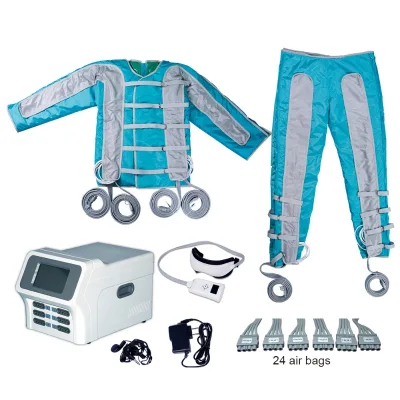
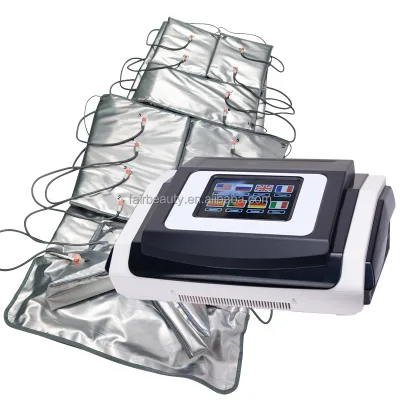
Understanding the mechanical and electrical architecture of an infrared pressotherapy machine is the first step in defining procurement requirements. The core functionality relies on a pneumatic system that delivers controlled pressure to specific body segments. In the current market, observed specifications indicate a typical air bag configuration consisting of 24 individual chambers. These chambers are distributed across a full-body suit, typically comprising a jacket and pants, designed to apply sequential compression. The system operates within a specific pressure range, with observed output capabilities spanning from 10 to 100 Kpa, while maximum air pressure settings may reach up to 360 mmHg depending on the specific model configuration.
The power dynamics of these units are equally critical for facility planning. Most observed models operate on a plug-in power supply mode with a maximum power consumption of approximately 110 Watts. Voltage flexibility is a common feature, with units often supporting dual voltage inputs of 110V and 220V to accommodate international deployment. The control interface is typically managed via an LCD screen, allowing operators to select from multiple treatment modes. Market observations suggest a standard offering of four distinct modes, with some advanced configurations including five models that may incorporate specialized functions such as eye massage. The maximum treatment duration is generally capped at 60 minutes per session, a parameter that influences workflow scheduling in commercial settings.
Material composition also plays a role in durability and maintenance. The main housing of these machines is frequently constructed from ABS plastic, providing a balance of structural integrity and weight management. While some listings describe the units as portable, others categorize them as non-portable desktop units, indicating that buyers must verify the specific mobility features of the unit they intend to purchase. The packaging dimensions vary significantly, with observed machine packaging sizes ranging from 48x60x50 cm to 54x40x40 cm, and separate suit packaging around 40x30x35 cm. These dimensions are vital for logistics planning and warehouse space allocation.
Compliance, Certification, and Safety Standards
In the medical and aesthetic device sector, compliance is not merely a regulatory formality but a fundamental component of product safety and market access. When sourcing infrared pressotherapy machines, buyers must prioritize verified certifications. The most frequently observed certification in the current supply chain is the CE mark, which indicates conformity with health, safety, and environmental protection standards for products sold within the European Economic Area. While some background data suggests the potential presence of RoHS compliance or ISO 13485 standards, these should not be assumed without explicit verification from the supplier for the specific batch being ordered.
Safety verification extends beyond the machine's electrical components to the materials used in the suit and the overall device construction. The waterproof rating is a critical safety and hygiene parameter; observed data indicates that many units are not waterproof, necessitating careful cleaning protocols to prevent moisture damage to the internal electronics. Buyers should verify the specific IP rating or water resistance claims for any unit intended for use in environments where liquid exposure is possible.
Furthermore, the electrical safety of the device is paramount. The variety of plug types available, including CN, JP, US, EU, AU, UK, ZA, and IT, suggests that the power supply is often customizable to the target market. However, the presence of multiple plug options does not automatically guarantee that the internal wiring meets the specific electrical safety standards of every destination country. Procurement teams must ensure that the supplied voltage and plug configuration match the local grid standards and that the device carries the necessary safety approvals for the intended region of operation.
Cost Drivers and Pricing Dynamics
The pricing structure for infrared pressotherapy machines is influenced by a complex interplay of factors, including material costs, technological complexity, and customization requirements. The observed market price range is broad, spanning from 1 USD to 1999 USD, which indicates a highly segmented market with varying levels of quality and feature sets. This wide variance suggests that price alone is an unreliable indicator of value; a lower price point may reflect a basic unit with fewer air bags or simpler controls, while a higher price may encompass advanced infrared capabilities, premium materials, or comprehensive warranty packages.
Minimum Order Quantity (MOQ) is another significant cost driver. The observed MOQ range spans from 1 set to 500 sets, offering flexibility for both small clinics and large distributors. Units with an MOQ of 1 set are ideal for testing market viability or for small-scale commercial use, whereas higher MOQs often correlate with discounted unit pricing for bulk procurement. Buyers should also consider the cost of customization. Many suppliers offer OEM/ODM services, allowing for branding and feature modifications. While this adds value, it may increase the unit cost or require a higher MOQ threshold.
Additional cost considerations include packaging and shipping. The choice between a standard carton case and a more robust wood case with EPE (Expanded Polyethylene) internal protection will impact the final landed cost. Wood cases offer superior protection for international shipping but add weight and volume, increasing freight expenses. Buyers must calculate the total cost of ownership, including freight, insurance, and potential import duties, rather than focusing solely on the ex-factory price.
Operational Applications and Target Markets
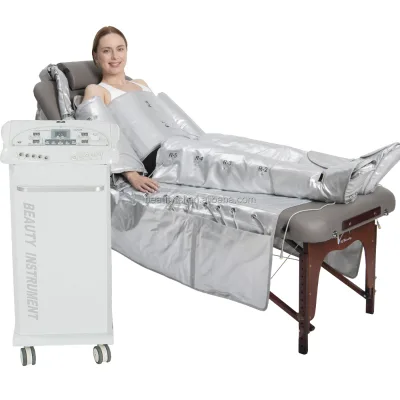
Infrared pressotherapy machines are designed for a versatile range of applications, catering to both commercial and home use environments. The primary therapeutic application is lymphatic drainage, which helps reduce fluid retention and improve circulation. This makes the devices highly relevant for aesthetic clinics, spas, and wellness centers focusing on body contouring and weight loss support. The target area is generally the full body, with the suit designed to cover the arms, legs, and torso.
The versatility of these units allows them to be deployed in various settings. For commercial use, the machines are often utilized in salons and dedicated treatment centers where high throughput is required. The portable nature of some models facilitates mobile services or multi-room usage within a single facility. However, the distinction between portable and non-portable models must be clearly understood during procurement, as this affects installation requirements and operational flexibility.
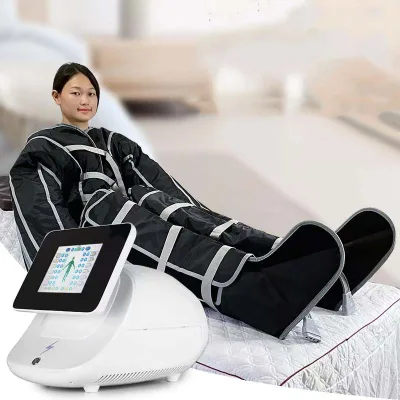
For home use, the focus shifts to ease of operation and compact design. The presence of multiple treatment modes and a user-friendly LCD interface supports self-administration, though professional guidance is often recommended for optimal results. The specific application of the device, whether for therapeutic recovery, aesthetic enhancement, or general wellness, will dictate the required feature set and durability standards. Buyers should align the machine's specifications with the specific needs of their target clientele to ensure operational efficiency and customer satisfaction.
Supplier Evaluation and Quality Assurance
Selecting the right supplier is critical to ensuring product reliability and long-term support. When evaluating potential partners, buyers should look for evidence of a robust manufacturing process and a clear track record of quality control. The place of origin for many of these units is Guangdong, China, a region known for its concentration of medical device and aesthetic equipment manufacturers. However, the specific location within this region, such as Guangzhou, may indicate different supply chain capabilities and logistical advantages.
Quality assurance should be a central component of the supplier evaluation process. Buyers must verify the warranty terms, which typically cover the machine for one year and the suit for a shorter period, often six months. This discrepancy highlights the wear and tear associated with the pneumatic suit, making the durability of the air bags and the stitching quality critical factors. Suppliers that offer customization services should also demonstrate their ability to maintain quality standards while adapting the product to specific branding or functional requirements.
The production capacity and lead times are also essential considerations. While specific lead times vary by supplier and order volume, buyers should establish clear expectations regarding production schedules and shipping timelines. The availability of spare parts and the responsiveness of the technical support team are additional indicators of a reliable supplier. A supplier that provides comprehensive documentation, including user manuals and maintenance guides, demonstrates a commitment to customer success and product longevity.
Long-Term Procurement and Lifecycle Management
Sourcing infrared pressotherapy machines is not a one-time transaction but an ongoing relationship that requires strategic planning for the product lifecycle. Maintenance and repair are key components of long-term cost management. Given the mechanical nature of the devices, regular maintenance of the air pump and the integrity of the air bags is essential to prevent downtime. Buyers should negotiate service level agreements that include access to replacement parts and technical support.
The obsolescence of technology is another factor to consider. As the market evolves, newer models may offer enhanced features, such as improved pressure control or advanced infrared wavelengths. Procurement strategies should account for the potential need to upgrade equipment to remain competitive. Additionally, the customization options available, such as color choices and branding, allow buyers to differentiate their offerings in the market. However, these customizations must be balanced against the potential for increased complexity in maintenance and parts sourcing.
Finally, buyers should maintain a clear understanding of the regulatory landscape in their target markets. Regulations regarding medical devices and aesthetic equipment are subject to change, and compliance requirements may become more stringent over time. Staying informed about these changes and maintaining open communication with suppliers regarding compliance updates will help mitigate risks and ensure continued market access. By adopting a holistic approach to procurement that encompasses technical specifications, compliance, cost, and lifecycle management, buyers can secure high-quality infrared pressotherapy machines that deliver value and reliability for years to come.
FAQs
What certifications does the infrared pressotherapy machine have?
The machine carries CE certification, indicating conformity with European health and safety standards. Buyers should verify specific batch compliance as other standards like RoHS are not guaranteed without explicit confirmation from the supplier.
How many air bags are included in the suit?
The standard suit configuration includes 24 air bags distributed across a jacket and pants set. This arrangement allows for sequential compression therapy targeting the full body for lymphatic drainage and weight loss support.
What is the maximum treatment time per session?
The maximum treatment duration is capped at 60 minutes per session. This limit helps manage workflow scheduling in commercial settings while ensuring safe operation of the pneumatic compression system.
Can the machine operate on different voltage inputs?
Yes, the device supports dual voltage inputs of 110V and 220V for international deployment. It also offers customizable plug types including US, EU, UK, and AU to match local grid standards.
What is the warranty coverage for the machine and suit?
The warranty covers the machine for one year and the suit for half a year. This distinction reflects the higher wear and tear expected on the pneumatic suit components compared to the main unit.
Is the infrared pressotherapy machine portable?
Product listings show conflicting data with some units described as portable and others as non-portable desktop models. Buyers must verify the specific mobility features and packaging dimensions before finalizing procurement.
What is the minimum order quantity for this product?
The observed minimum order quantity ranges from 1 set to 500 sets depending on the supplier. Lower MOQs allow for testing market viability, while higher volumes often correlate with discounted unit pricing.